
This is a question we love and one we often get asked during our home energy audits. It shows a homeowner is savvy enough to be aware that something may or may not be causing the hearing and cooling system to work harder. It is also often the illusive cause of excessive dust and increased allergens in homes even if the dust occurs somewhere that is far away from the interior doors.

To settle this age old question of interior doors being open or closed, we must first address a topic called high room pressures.

Common signs of high room pressures are:

1. doors that slam shit by themselves whenever the air turns on.
2. a rush of air felt under a closed interior door when the air is on.
3. a resistance felt like someone is pushing back when you open an interior door and the air is on.
4. or an increase of allergic symptoms when at home.

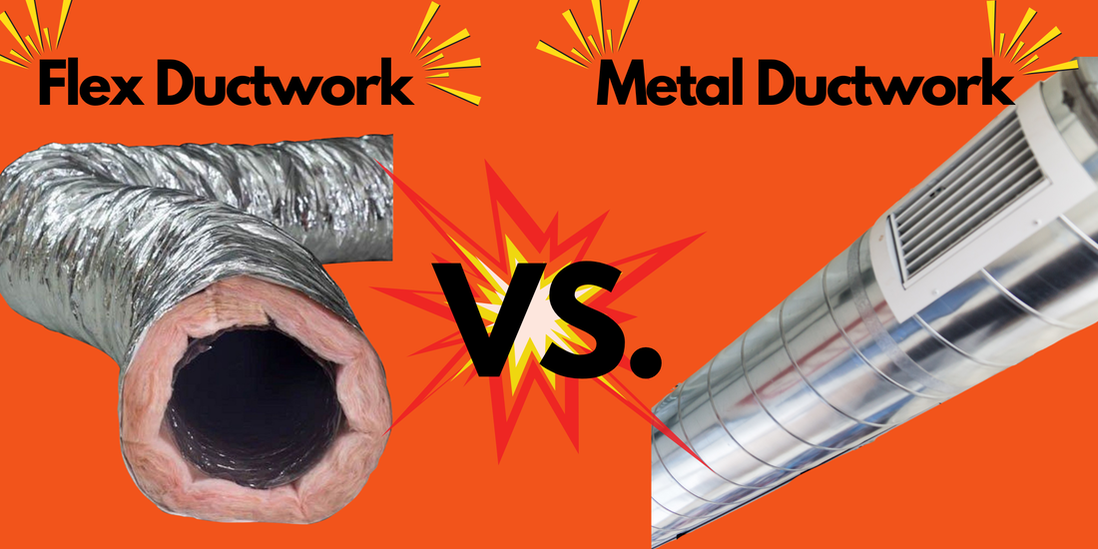
A high room pressure can be caused by the placement and design of the ductwork, or uneven airflow across the ductwork from a lack of duct design or installation.

The problem with high room pressures only occurs when both:

1. The interior doors are closed. It is important to note that if your doors are never closed, high room pressures aren't an issue.
2. There is a high room pressure present. Listed above are the common signs of high room pressures that you can perform your own napkin check.

What happens when both your interior doors are closed and there is a high room pressure present is:

1. Every time the heating and cooling system kicks on, dust from the attic will get kicked up and enter the house.
2. You are essentially putting a big block on the duct running to that room. Think of blowing air into a bottle, you can't force more air into the bottle unless some can escape, the same thing is true with your rooms. The air has no way of escaping or circulating back out of the room and so no more than be pushed in.
3. The entire heating and cooling system will work harder because of the lack of free circulating air, forcing air through unnatural air leakage pathways connected to the attic and the outside.

Now some homes have jump ducts or transfer grilles already installed to help circulate air. A jump duct looks different than your regular supply registers. Usually, the registers dedicated for the jump duct are shaped differently and that is the only way you can tell you have "jumpers." The jump duct always comes in pairs of two, so for each jumper register in a room, there is a duct in the attic that attaches that register to a register in the hallway. So when you close your interior door, the air has a way to escape back to the return via the jump duct.

A transfer grille is the same idea only easier to install and identify. Transfer grilles commonly go above the door but can also be located in the interior door also and feature two registers, one on each side of the door with essentially a hole in the drywall in between them. When interior doors are closed, the air can escape through the transfer grilles (aka passive returns because they are passively bringing the air out of the room and back to the return).

So if you scrolled down to the end for the quick answer to your question, the answer is that interior doors should always be left open to circulate the supply air from the room back to the return. By shutting interior doors we are trapping the air in the room without a way to escape.
 
 
Often times, bedrooms closest to the garage or bonus rooms above the garage get the hottest during a summer in Phoenix, AZ... and for good reason.  Often times the garage is hotter and remains hotter than the outside, even well into the night.  All that heat built up during the day takes time to dissipate and a lot of it gets transferred into the home, causing adjacent rooms to heat up more than the rest of the house.  

Here is how you can check if there is insulation present in the walls from the house to the garage. (Please note, our outside garage walls are never insulated because this is technically unconditioned space).

  1. For safety, turn off the electricity at the breaker to the garage and adjacent rooms' outlets.
  2. Take a flat head screw driver and unscrew an electrical outlet that is on the wall in questions.
  3. Use a paper clip, drill bit or screw driver and push it in between the blue electrical box and the drywall gap.
  4. If there is insulation you will feel a bouncy resistance when you push in... that is your fiberglass batt insulation!  If you feel nothing, you may not have any and I suggest drilling a hole in between the studs and performing the check again to verify.
  5. You may also be able to see in the drywall gap with a flashlight and visually see the insulation, it will be either pink fiberglass batts or a white color.
  6. If you don't have any outlets, you can drill a small hole with a drill bit in a hidden spot in the wall and perform the same check.


Surprisingly though, as a Phoenix energy auditor, this is not the sole cause of those adjacent rooms getting warmer than the rest of the house in the summer.  In fact, in more than the 1,000 home energy audits we have done, 100% of the rooms adjacent to the garage walls and ceiling were insulated.  Now were the insulated properly?  Possibly... but still don't get hung up on the wall insulation.  

After performing an energy audit, we have been able to diagnose and correct the cause of the rooms heating up and it is attributed to three things in order of the most common causes.

  1. Poor airflow
  2. How the insulation was installed in the attic
  3. Leaks from the duct work 
 
 
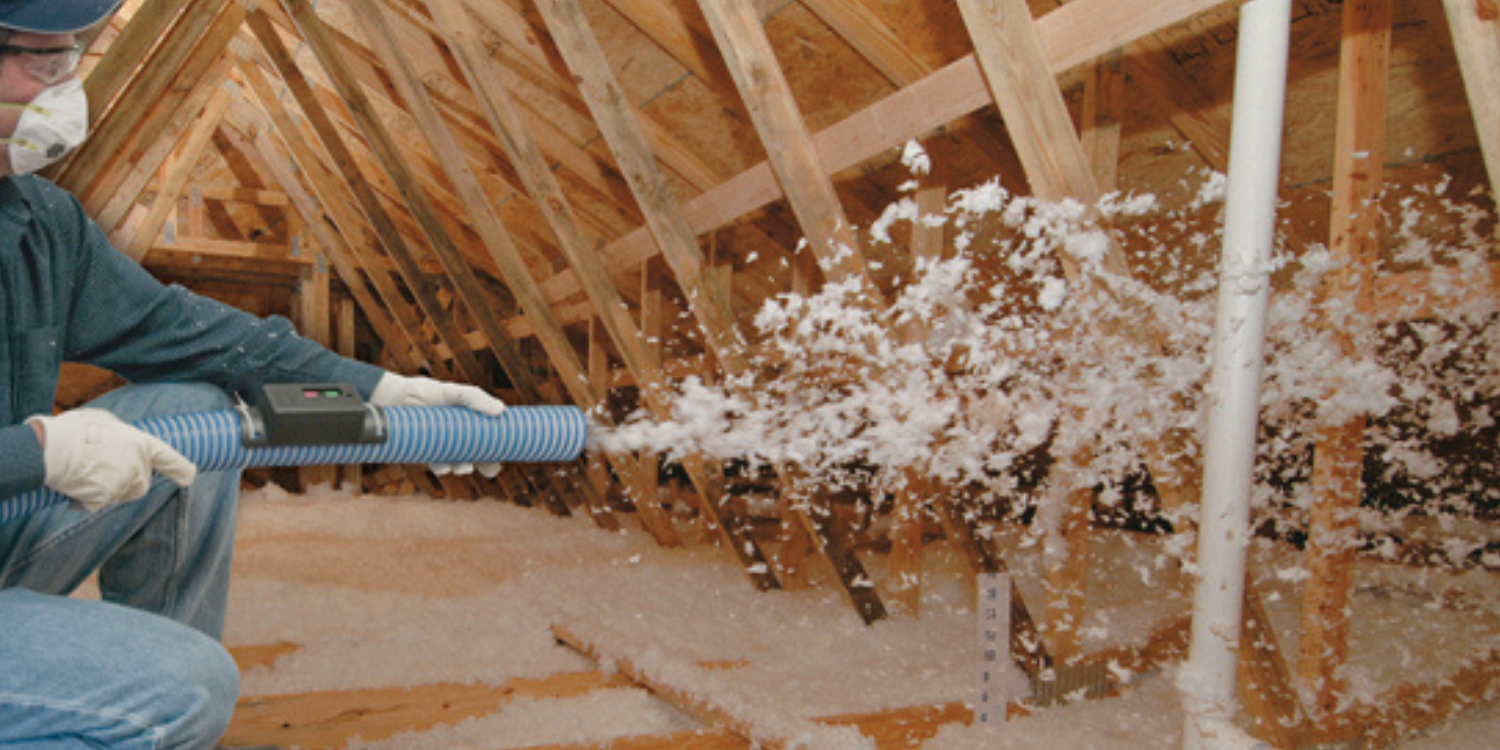
You may have an older home built in the 60's or 70's or even 80's with that beautiful original insulation still working away in your attic.  You may have had a peek at it and been reminded of some landscape out of a bad dream... you may have even been able to see your studs popping above the insulation.  As Phoenix home energy auditors, we often get asked, "does my attic insulation need to be removed before you install new insulation?"  Well we are here to tell you that 95% of the time the answer is no, it does not need to be removed.  Even though it may look like sand or have more dust in it than your old record collection, it still has its insulation properties, however diminished they may be.  By simply adding the appropriate insulation type on top (or sometimes beneath) your existing insulation, our energy improvement technicians can get your attic super insulated and help make a more comfortable home.

So when would you need to have your attic insulation removed, or extracted as we say in the biz.  There are times when removing that old insulation should be done and is recommended, and they are listed below.

  1. When the insulation is water damaged from a roof or pipe leak and is has become hard and crusty.
  2. When the insulation has become rodent infested... (yes I am thinking of you, out-lander or larger than an acre of land homeowners).  Rats and critters can make massive nests out of all types of insulation, cactus and twigs and multiply, multiply, multiply.  This is a potentially hazardous scenario in your attic and in the air you breath in your home and should be corrected.

Those are the only two reasons why your insulation should be extracted from your attic, however there are other arguments that merit mention here.

  1. Insulation sensitivity and allergic reactions. if you are hyper sensitive to your insulation, we have had clients ask us to extract and replace their insulation with a more green, dust and chemical free insulation products.
  2. You are preparing for a major remodel... raising the ceilings, adding features or opening up rooms in your home merit insulation removal as part of the prep work.
  3. You just want a greener insulation product... although the removal and disposal of your existing insulation into a landfill is not so green.

Do you have any opinions on insulation removal or have you done it before?  Leave us your comments below to share your story.
 
 
We hardly notice that little red light on our TV screens, DVD player, coffee machine or printer but those appliances are constantly using energy... even when they are off. Rather than always having to turn off every single appliance when we are not using it, a smart strip can turn off your small appliances and electronic equipment when not in use.

I love smart strips because they allow me to have a plug for the electronics that I want always on like my modem and router, but turn off less essential appliances like the DVD player, Cox cable box, and Wii player when the TV is off... that's right, my DVD player, cable box and Wii are dependent on my TV being on or off.

While the alternative is to put everything on a power strip and manually turn it on and off when not in use, the smart strip is more convenient if I just want to surf the Internet or work and not watch TV. Which saves more money? It depends on how much you currently turn off your power strip now. If the answer is not much, then yes the convenience of a smart strip will save you energy even with the modem and router always on.

Go ahead and give it a try! In fact SRP is giving a smart strip away for FREE as part of their home energy audit program. You can have a smart strip to start saving the same day you have your energy audit done to find how you can finally cool that annoying hot room or why the utility company always shows your energy usage much higher than a comparable home. Go ahead and contact Green ID today to see how much we can save on your utility bills.
 
 
APS has eliminated their shade screen program beginning March 1, 2013.  They have also made their air sealing rebate very difficult to achieve for homes built after 1950.  The 75% off the cost of home air sealing up to $250 is still good, but a home has to be very, very leaky to qualify.  Any work completed before March 1, 2013 still qualifies for the air sealing and shade screen rebate program, but after that date, the new rules apply.
 
 
There is no getting around the fact that insulation is far from chemical free, but it is an essential ingredient to help keeping our homes nice and cool in the summer and toasty warm in the winter. Fiberglass batt insulation is itchy, causes rashes and respiratory problems, and is a known carcinogen when inhaled with attic dust. Newly installed loose fill fiberglass insulation is slightly better for respiratory effects, is not as itchy and relatively inert. In both types of fiberglass insulation you will find rodents, critter infestation and its feces if they are present in your attic. Cellulose insulation tends to be a rodent repellent due to the added boron. Although cellulose insulation gets labeled as the greenest type of insulation because it's primary component is recycled newspaper, there are still a good amount of chemicals directly mixed in such as boron and boric acid and indirectly such as old ink, dyes, solvents, formaldehyde, chlorine, fluorine, lead, iron compounds, sulfur compounds, cadmium, nitric oxide and methane. These trace chemicals are estimated to account for 20% of the composition of cellulose insulation.

Who is the greenest insulation manufacturer?

Being a home performance contractor we offer our clients all types of insulation products and manufacturers depending on preferences and the conditions of your home. Our approach is to educate first then let our customers decide. That is why we don't just stick to one manufacturer or product like cellulose, spray foam or fiberglass.

There are several ways to look at the green attributes of insulation. One angle is that you are going to save energy on your utility bills and reduce your carbon footprint. Insulation saves 12 times the amount of energy the first year it is installed than it takes to manufacture it, so energy conservation is definitely more green than sustainable energy production. This is highly dependent on your home and how the insulation product is installed, not just how much you have. Another angle is to look at the material that is diverted from landfills as is the case with cellulose, denim or even recycled fiberglass batt insulation. The final way a product can be green is during is what is in it, how many chemicals and things get put in that are bad for your health, like formaldehyde.

We have outlined the differences between the various types of insulation above, now let's explore the differences between the manufacturers.

Johns Manville
Johns Manville makes a formaldehyde-free fiberglass insulation product in loose fill and rolled batt form which also incorporates 25% post consumer recycled material in the insulation.

Owens Corning
Owens Corning manufacturers an EcoTouch PINK insulation contains 58% post consumer recycled content and is also formaldehyde-free.

Knauf Insulation
Knauf Insulation manufacturers an Eco Batt that is considerably less itchy than the regular pink and white fiberglass batts we are all used too. The Eco Batt does not contain formaldehyde, acrylics dyes or phenols that regular insulation products have and contains organic compounds rather than petroleum byproducts. The Eco Batt is a naturally brown color and I know from working with it personally that it is not an irritant or as itchy as the regular fiberglass batts.

What about recycled denim insulation?

Bonded Logic's UltraTouch Natural Fiber Insulation is made from 85% post-industrial cotton fiber. So your old jeans can now be found inside your walls and attics rather than the nearest Goodwill store. The recycled denim is treated with a fire retardant but it is formaldehyde free! The material only comes in rolled batts and not loose fill so it is easiest to install in walls

Since very few insulation materials are truly chemical free, it brings us to an important question, which is:

How do I come into contact with the insulation if I can't see it and it's in the attic?

One idea is that it is in the air we breath. How do insulation particles get into our homes air? They get into our home by two ways.

1) from air leakage and connections from the house to the attic.
2) from the ductwork

Air leakage occurs when there is a small hole in the the ceiling or wall from electrical and plumbing penetrations, recessed canned lights, around registers and exhaust fans and windows and door frames. These holes can be enlargened greatly by the heating and cooling system pressures in the house. By air sealing all the little holes and gaps in the attic and to the outside you will help block the transfer of insulation particles.

The ductwork is most likely the main culprit of attic insulation particles getting into the house and the increase in home allergens. Any holes in the duct leakage return side (where your filter is) is directly sucking attic air into the heating and cooling system. This insulation-contaminated air does not get filtered because it occurs behind the filter then gets distributed to all the supply registers and into your home.

To recap, homeowners can easily reduce the allergens and dust and significantly improve the air quality of their home by doing the following steps.

1. Sealing the duct leakage
2. Making sure your existing insulation is properly installed
3. Air sealing the attic and outside holes off from the house
4. Balancing the airflow and room pressures

We have seen positive results by doing these four measures time and time again with our clients and you can have the same results by improving the air quality of your home for years to come if you follow the same steps and choose the right type of insulation for your needs.
 
 
While making energy saving improvements to your home is backed by both APS, SRP and the Department of Energy's Home Performance With Energy Star Program there are many unethical companies out there that are taking advantage of these programs and making a bad name for those home performance companies that are doing things right. Many of the unethical companies are using the APS and SRP program as a cover, making it appear that they follow the strict guidelines of their program by simply using their logos, mixing the solar rebate program with the home performance rebates, and taking the rebates off the top of the costs so it appears you are getting the rebate when actually it is just a smoke and mirrors trick. These companies are hurting both homeowners and home performance contractors alike.

Here are some guidelines to help you spot a phony from a real home performance contractor.

1. The company has called you from an auto dialer blast.
2. The company rep does not go past the attic hatch in their inspection of your attic (the pros know this is where the majority of your problems lie and it's not just about adding insulation or radiant barriers)
3. The company rep does not do a blower door test or a full energy audit on your home .
4. The green energy company rep is not BPI certified. This is the basic certification all energy consultants will have to know what to look for in your home and to give you energy saving recommendations based on what your home needs.
5. The company will start at a price point in the range of $20,000 for a solar/ solar water heater/ radiant barrier/ solar attic fan package.
6. The company will not perform a test-out audit with a blower door fan.

Here is what you can ask the green energy company to protect yourself from buying something that will not fix your hot and cold rooms or make your home more energy efficient.

1. The green energy companies BPI certification and make sure the energy consultant at your home is BPI certified.
2. Call APS and SRP at (602) 532-2991 to verify they are on the Home Performance With Energy Star Program.
3. Your energy consultant should talk to you about at a minimum hour air leakage, duct leakage, room pressure and duct static pressure. These are part of the required tests all APS and SRP certified companies need to do or their inspection.
4. You should complete a home performance authorization form found on APS and SRP's website.

Don't get us wrong, there is nothing wrong with solar electricity or solar hot water heaters. The danger or harm comes from homeowners thinking they are making their home more energy efficient when many issues are still left unfixed and things that were never tested for or addressed. Things like air balancing, high room pressures, high static pressure, insulation that is installed wrong, air barriers that leave the house uninsulated and overpromising the cost savings from radiant barriers.  An additional benefit to using a home performance contractor is that the utility companies will audit our work, so you have another party watching your back.

Disclaimer: Green ID's energy auditors are all BPI Certified. Green ID's founder, David Byrnes, is a BPI trainer and LEED AP professional. We do not recommend radiant barrier products without first addressing a homes' priority needs by performing a whole home energy audit.
 
 
Want to convert your garage into living space or just cool down your garage during the hot summer months? Here is a list of what you need to know to make your garage a conditioned space.

1. Cover your walls and/ or garage door panels with a radiant barrier bubble wrap product, foam board or insulation. A radiant barrier bubble wrap is an effective and easy product to install. It can be bought online and will reflect radiant heat back out to the outside. It will help lower the temperature in your garage from a couple degrees to ten degrees depending on the orientation of the garage door panels.

2. Check the size of your AC system. A rule of thumb is 400 sq ft of cooling per ton, so if you have a 5 ton AC system, you have the cooling capacity for a 2000 sq ft home. Now the rule can vary greatly depending on how energy efficient your house is, including duct leakage, insulation installation and level, heat gain and room pressures. The cooling capacity is also dependent on the ductwork design and layout. A poor layout and design can greatly undercut the systems cooling capacity.

3. Add more insulation to the garage attic, go for at least 10" of cellulose insulation or 14" of fiberglass insulation.

4. Decide on how best to cool your garage, you have a few options here.

4.1 Put in new ductwork tapped into the existing ductwork. You will need to decide or consult with home performance contractor where to tap into the existing ductwork and what size line you need. A two car garage is usually 20x30 ft or a 600 sq ft area. This is the size of a master bedroom area so you will quite a bit of airflow to adequately cool the garage. Your garage may never cool enough to the inside of your home. We always go with a duct with a slightly oversized scoop and a dampener with a larger duct reducing a step down for the actual delivery of the air.

4.2 a ductless mini split AC system. This is another viable alternative that is more of a sure thing to cool your garage without taking air away from your home. The cooling capacity not be enough in our experience even if you insulate the walls in our experience. A mini split with new ducts has been successful in a converted garage to a man cave movie room we did the ductwork and insulation on.

4.3 An evaporative cooler or swamp cooler in the wall with no ductwork. This is a great option that is perfect for 2-3 months out of the year. Evap cooling during the summer months will be impossible so it may not be what you are looking for.

4.4 A window AC unit installed. You may need a larger unit unit and even then it will be hard to adequately cool the garage space.


Congratulations on choosing a variable speed pool pump over a single speed pump. Single speed pool pumps have been outlawed in several states and Arizona will follow in 2014 and for good reason too. Variable speed pool pumps are proven to use 80% less energy, are quieter, last longer and leave you with a cleaner pool than its single speed counter part.

Variable speed pool pumps slow down the RPMs of the pump motor to have you hundreds of dollars a year, it's comparable to driving a Pruis compared to a dragster to the grocery store. The magnetic drive is super quite and your pool is actually left cleaner because the water spends more time circulating and more time passing over the pool filter.

To fully realize the potential of your variable speed pool pump you will want it properly calibrated. A variable speed pool pump left uncalibrated can end up costing you more money if left unchecked.

Their are several items that go into a pool pump calibration including:

1. Pool volume
2. Type of filter and cleaning system
3. Static pressure of the suction and discharge lines
4. Hours of operation
5. Amperage and watts used of the variable speed pool pump

Both APS and SRP follow the National Sanitation Organization guidelines for pool pumps, stating that for a clean pool, the pump needs to turn the pool over completely once a day. If the pump turns your pool over more than once per day on a regular basis, it is overkill and wasting energy. If we have a dust storm of course you should run the pump more but not everyday.

Fortunately for you, you don't need to invest $500 in the equipment for calibration, there is a simple chart and guidelines you can use to get your variable speed pump started. Keep in mind, Green ID offers a free variable speed pool pump calibration for APS and SRP customers in the Phoenix area. All you have to do is leave your name and phone number in the contact form to the right and include the make and year of your variable speed pool pump.
 
 
Congratulations on making a committment to a more sustainable future by reducing your electricity consumption with solar electricity.

Here are a list of questions to consider before purchasing solar panels.

What to ask for purchasing solar panels?
1. How do the APS rebates work/ how do the SRP rebates work?
2. How do the state and federal rebates work?
3. Who is the ideal homeowner to purchase solar panels?
4. Who is the ideal homeowner to lease solar panels?

What to ask for a solar lease?
1. Is it a one time payment or monthly payment?
2. Who takes over the lease if I sell the house?
3. How is the lease transferred if I sell the house?

General questions to ask before going solar
1. How long do the solar panels last?
2. How long do the inverters last?
3. What is the warranty for the solar panels and the inverter?
4. What happens if your company goes out of business?
5. What is the timeline for installation of solar?
6. How much does the efficiency of the panel really matter?
7. Why is a southern orientation the best for my western facing roof?
8. Will I be able to monitor my power output?
9. Where the solar panels manufactured?
10. How long has the manufacturer been in business?
10. Do you suggest having a BPI energy audit done on my home?