
|
As much as I love open cell spray foam in Phoenix attics, if it's installed improperly, then yes, it can cause a chemical smell inside your home. Particularly, if your insulation is left on the attic floor, I've seen insulation adsorb the chemical smell of spray foam and never leave. Recently I've seen newer companies recommending spray foaming over the attic ductwork and while I understand the thought process behind doing this, I would never recommend it to our customers. The attic ductwork is wrapped in a fiberglass batt layer of insulation, separated by a metalized polyester (silver) or polyethylene (black) outer jacket. Spray foam smells can penetrate the outer jacket and heavily adsorb into the fiberglass layer of flex ductwork. When spray foam is applied directly onto a flexible duct, a combination of physical and chemical factors makes the fiberglass layer highly vulnerable to retaining odors:  How Do Spray Foam Smells Get Trapped Inside Attic Ductwork?How the Odor Penetrates and Traps
If the spray foam was mixed slightly "off-ratio" or sprayed too thick in a single pass, it may never cure properly. The trapped odor inside the fiberglass will continuously outgas. [1, 2, 3] Worse yet, because the flex duct carries the conditioned air for your home, any small tear, seam leak, or minor pore in the inner plastic liner will pull those chemical odors directly into your airflow, distributing the smell to every room in the house. Because the foam has now hardened over the ductwork, replacing the ruined flex duct becomes an incredibly difficult and expensive task. [1, 2] If your HVAC system isn't sized properly, dominate duct leakage, room pressures and static pressures are off, a well meaning company could turn your ductwork into a vacuum, actively pulling odors directly into your breathing air. How To Properly Protect Your DuctworkIf you are concerned about buffering up your ductwork insulation layer I would start by sealing the ductwork. I'm all for sealing your ductwork with mastic and mesh or using an Aeroseal process to capture the leaking air and put it back into the house. That would be your low hanging fruit.
Then, you have three options to buffer the duct insulation.
Your next steps will require some building science to test your dominate duct leakage, room pressures, static pressure and a Manual J sizing report to ensure all your home's systems are working together to create a comfortable and healthy home. These tests will prioritize upgrades based on your lifestyle and goals, and is the correct way to approach home inefficiencies.
0 Comments
Your comment will be posted after it is approved.
Leave a Reply. |
Sign Up For Your Home Energy AuditFIND YOUR HOME TYPERanch Homes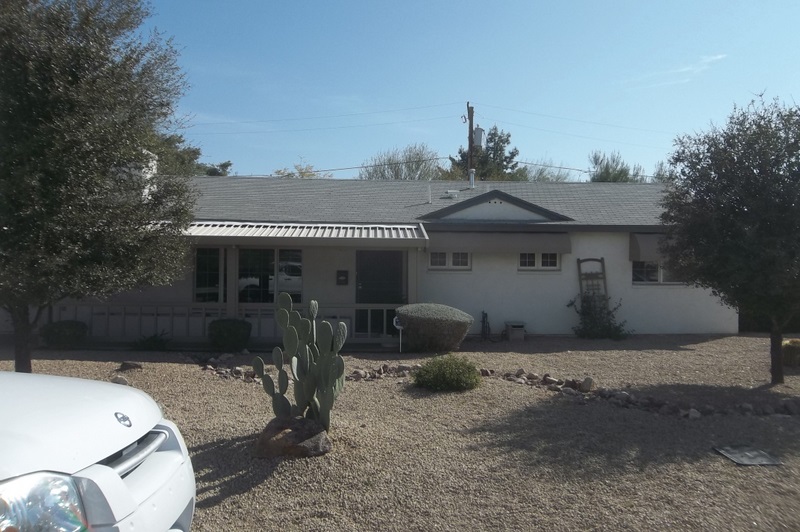
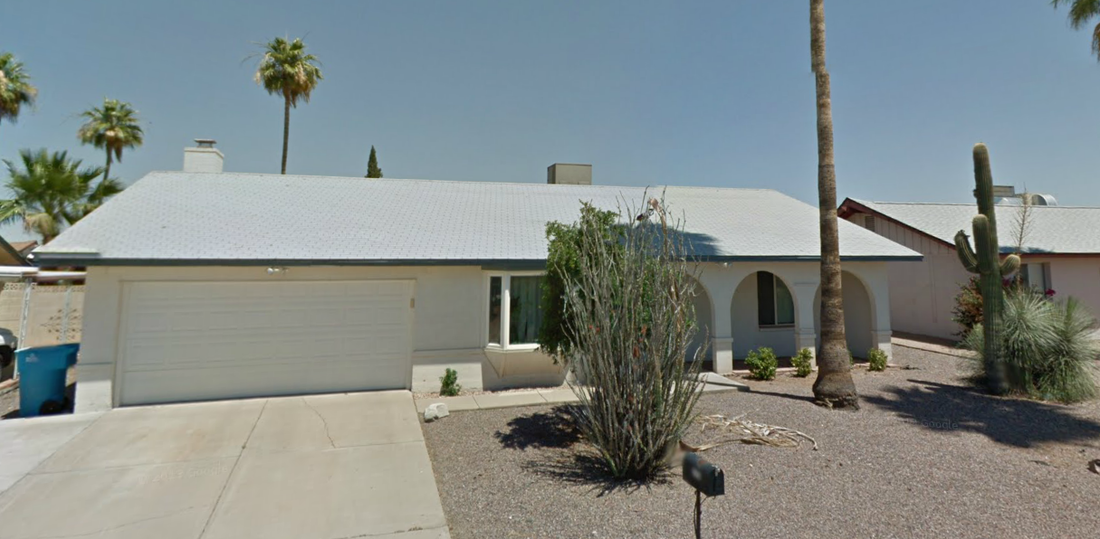
Single Story, Spec Homes

Two Story, Spec Homes
Tri-Level Homes
Pre-1990 Custom Home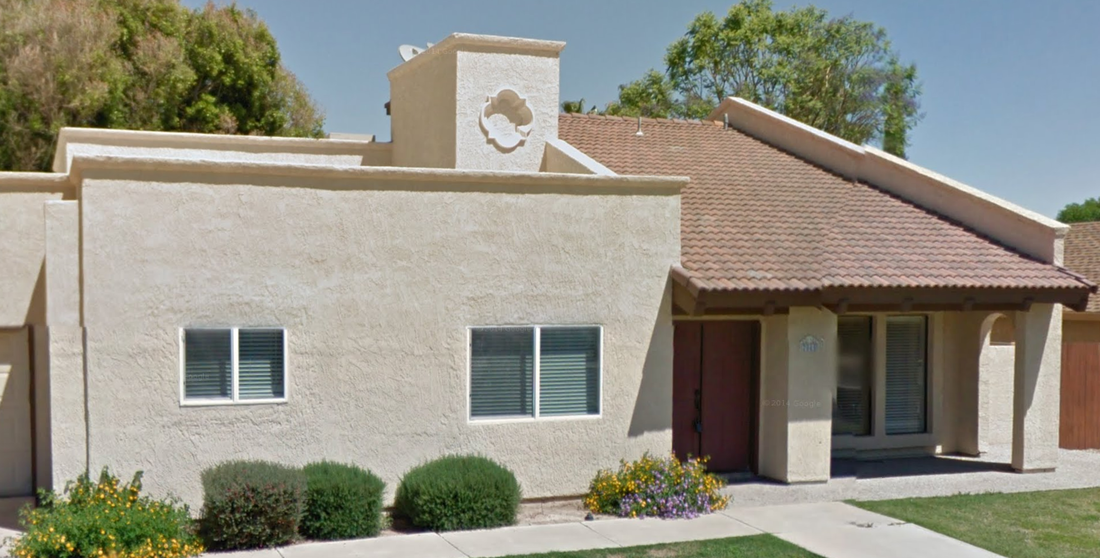

Post-1990 Custom Home

Don't See Your Home? Find Your City Below!Archives
November 2026
Copyright Notice©2009 – 2026
All Rights Reserved |