

|
Solar panels are a great way to reduce those utility bills, offset your carbon footprint at home and go green… but at what cost? Today, with government and utility backed rebates from APS and SRP, the cost of solar is within reach for many homeowners mainly through third party financing. I have to admit that in the sustainable movement, solar is one of the most attractive features to homeowners. It is much sexier than weatherization and air sealing, that’s for sure. Even as a kid growing up in the 80’s, I was attracted to solar energy to produce “free energy”. Now, 20 years later, I still plan on having solar installed on my home, but my intuition, reason, and most importantly, my bottom line return on investment all tell me to reduce my energy consumption first, then go solar and I am going to explain why.
If I can reduce my energy consumption first by keeping my conditioned air inside, insulating the walls and roof, and make sure my heating and cooling systems are working properly. If I do this, I am in a much better position to go with renewable energy. Why? I can afford to put on a smaller PV system to reach my goals, whether it is to reduce my utility bills by half, eliminate my winter bills, or go completely off the grid. A smaller solar panel system equals less initial cost. With each kW you reduce, your solar panel size saves you roughly $500 upfront cost and it is more cost effective to do several smaller efficiency upgrades to your home, and then install a smaller sized panel rather than install one huge photo voltaic system for your house. I’ll do a cost analysis of this in another post if you'd like that much detail. On an aesthetic note, most of the panels out there today aren’t the prettiest things, although I do like the panels that look like roof tiles and sit flush with your roof. For a photo of those, check out “Our Green Building Projects” page where we used them on Greenbuild’s Legacy Project. Even though critics will say they have less efficiency, the whole PV industry has horrible inefficiencies, and these panels are much more durable than traditional panels.
0 Comments
 Since my own energy audit last summer, I have been constantly looking for creative ways to go green the frugal way. For me, it is not enough to simply accept what a specialty contractor tries to sell when I know I am not hearing the complete picture of what and why my utility bills are high. I like to dig around a bit, ask questions, get sources to discover the alternatives and trade offs of my investment. Is it tedious work? Yes, but it’s very satisfying for me to be able to pass this insider knowledge along to my clients.
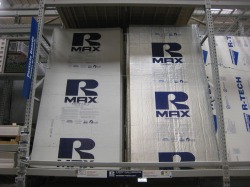
Today I’ll talk about an inexpensive way to buffer your attic insulation from the elements and help keep your home comfortable, cool and efficient. This method is a cost-effective alternative if you are close to the point of diminishing returns for attic insulation, where it is not longer cost-effective to add additional insulation. Keep in mind that in the Phoenix area windows are our greatest source of heat gain (~50%), not from the ceiling (~6% and by the way the smallest source of heat gain in homes). A problem arises when you only need a small amount of insulation to reach your point of diminishing returns, say, 2-inches or R-7 value, and insulation contractors charge by the square foot for 4-inch, 6-inch or 8-inches of additional insulation. Now, it may be a smart idea to put that extra insulation in your attic if your comfort is more important than your ROI, but each case is different. The solution I’d like to share today is insulating with foam boards along the roof truss, or roof ceiling. Next time you visit any of your major home stores, take a walk down their lumber isle and look for large 4’x8’ sheets of foam board. I found foam boards ranging from $13 to $20 in R-values of R=5 to R=6.4. The idea is to use a utility knife and straight edge to cut the foam board to fit between your roof truss (either 16-inch or 24-inch oc). You will also need wire fabricators, or wire insulating holders which are simply small metal rods designed to hold the foam board in-between your roof studs via tension (no tools required). These boards run from $0.44 to $0.63/ ft2 but have several features that make them cost effective versus the $0.36/ ft2 cost of an insulation contractor or $0.80 – 1.00/ft2 for a radiant barrier. One is their ability to be added to your roof truss rather than the ceiling floor, which is a much more effective way to keep summer’s heat out of your home. The second feature is that these foam boards have a higher insulation value per inch than fiberglass batts or blown-in cellulose. The third reason is that the foam board comes with a reflective backing to act as a radiant barrier for additional heat protection (without the extra costs of a reflective barrier). The last attractive feature of the foam board is for homes with cathedral ceiling and second floor hot rooms -- a DIY homeowner could target specific hot rooms by adding foam board to only certain areas of their roof for a small initial cost. For these reasons I would make the argument that foam board insulation is more cost effective and the in certain cases a recommended way to go green. Feel free to leave comments and questions and expect more from your energy audit! A green audit is meant to identify energy saving opportunities for customers:
1) who want to reduce their utility bills 2) who are unsure which green upgrade will give the highest payback (going solar, extra insulation, replacing your windows, installing low flow toilets) 3) improve their health and comfort by reducing allergies and moisture problems while improving indoor air quality 4) save time and money by using an unbiased party to give them actual energy saving analysis and recommendations A green audit will take place right in the comfort of your own home or apartment. An auditor will access your home’s performance by looking at the layout and orientation of the home, the thermal envelope (walls, attic and windows), air leakage, appliances and major systems and lifestyle factors to give you a comprehensive action plan designed to reduce your energy consumption. You can expect a report outlining upgrades, estimated cost and payback periods. There are several types of energy audits and fees can vary widely from $100 to $500 per audit. The good thing is that APS and SRP are rolling out big incentives to help pay for the cost of an energy audit and fund up to 75% of the upgrades like air and duct sealing. The Home Star or Cash for Caulkers program is the federally funded home performance program that will push energy efficiency measures over the top in terms of popularity. Traditionally, energy audits were are used mostly for Energy Star, LEED and other certification purposes but not anymore. What can an auditor do that I can't? An energy auditor will have more experience spotting air and duct leakage where as a typically homeowner will need to do a little research to find those areas where your cooled air is escaping. An auditor also probably knows some more tricks and uncommon tips to help you reduce your energy bills and will have a set of diagnostic tools to help identify areas of inefficiency. There are several websites where you can actually perform your own energy audit and is a great way to prepare for one done by a professional. Check these great resources to find out how to perform your own audit. http://hes.lbl.gov/ http://www.epa.gov/climatechange/emissions/ind_calculator.html |
Sign Up For Your Home Energy AuditFIND YOUR HOME TYPERanch Homes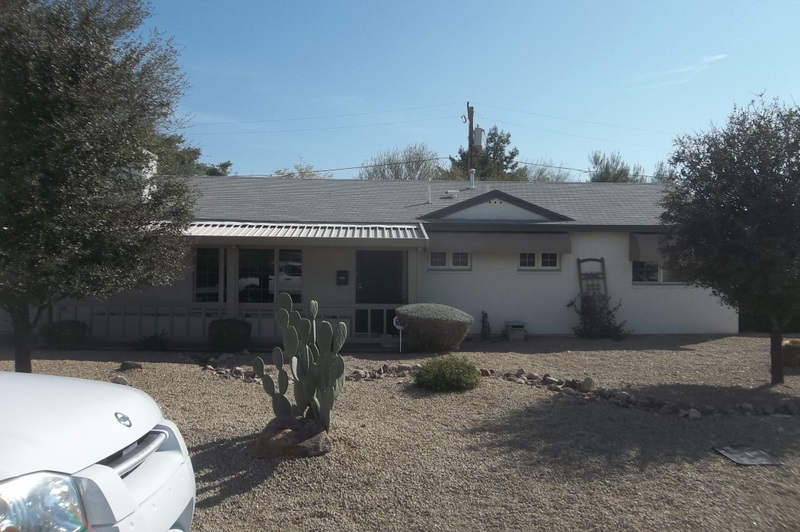
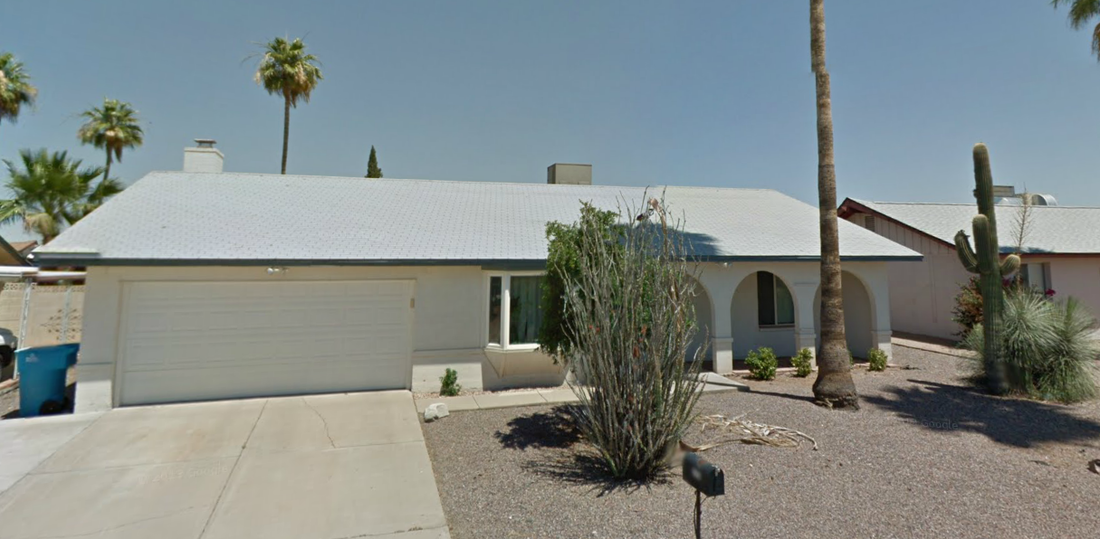
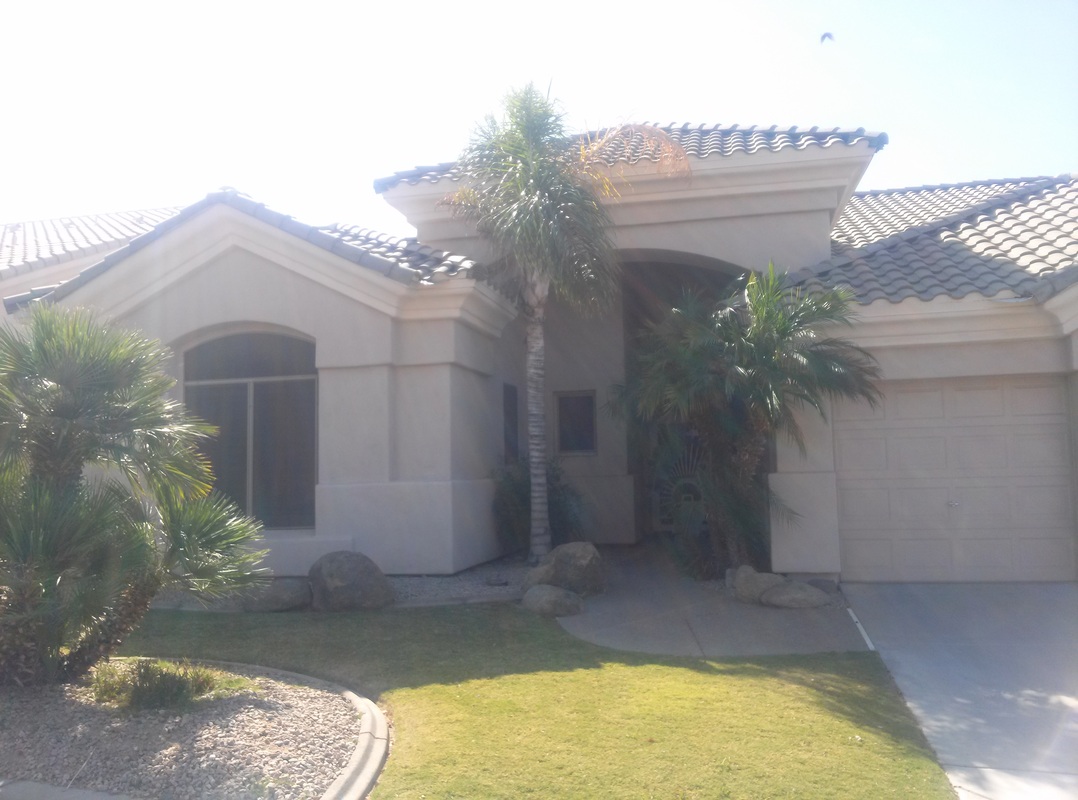
Single Story, Spec Homes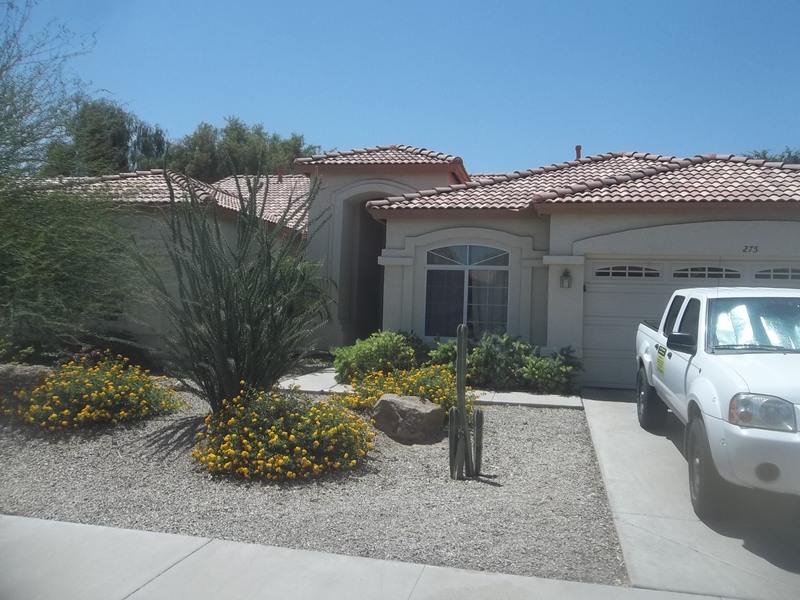
Two Story, Spec Homes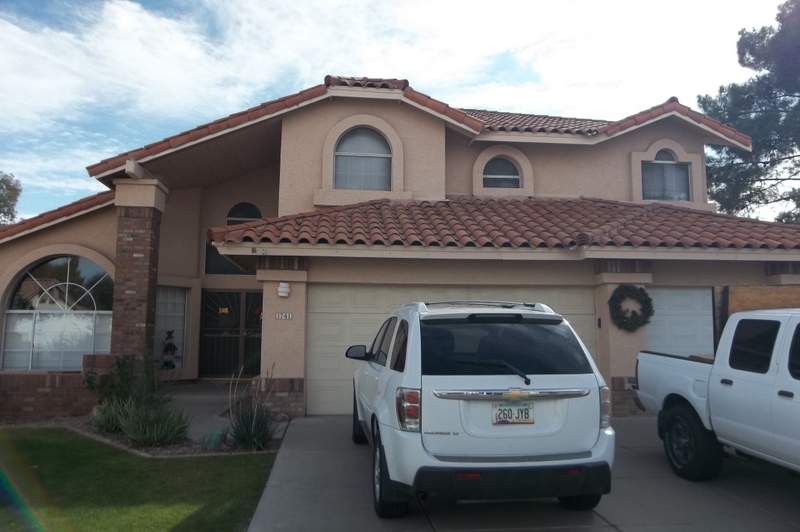
Tri-Level Homes
Pre-1990 Custom Home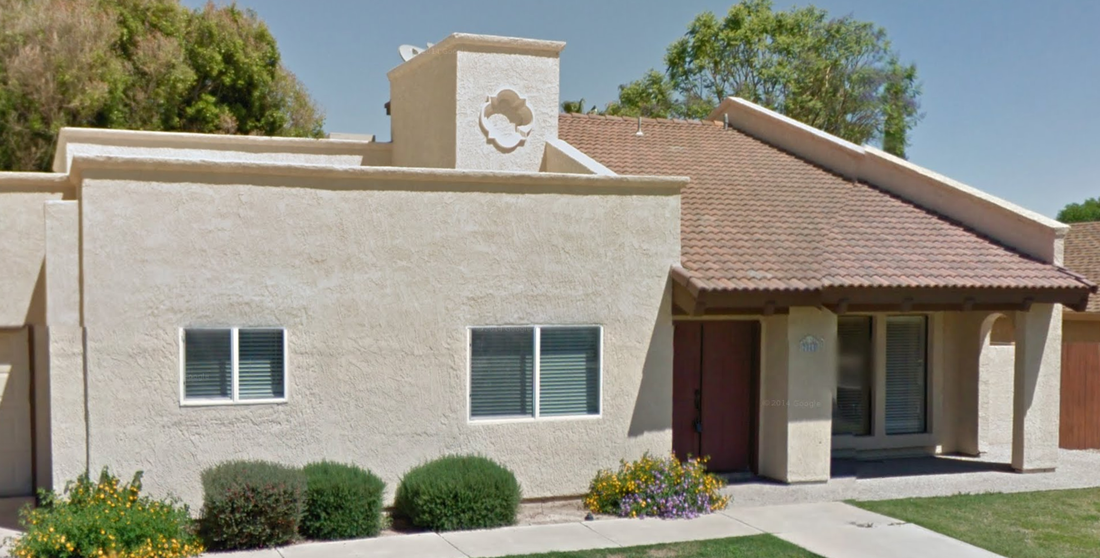
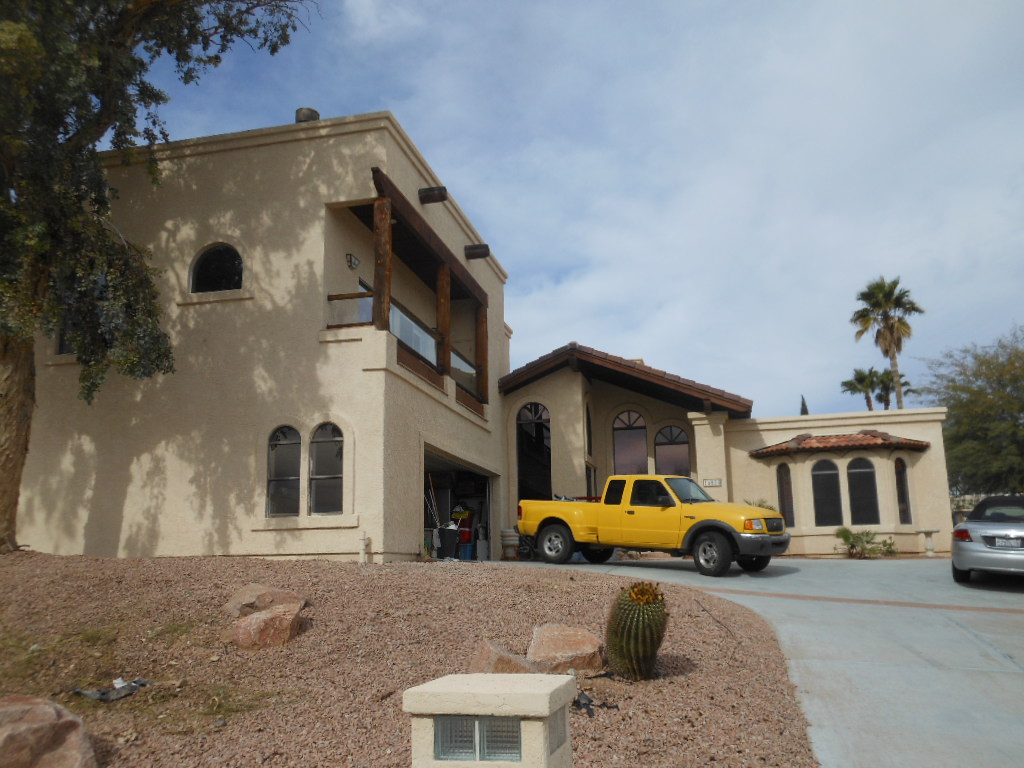
Post-1990 Custom Home
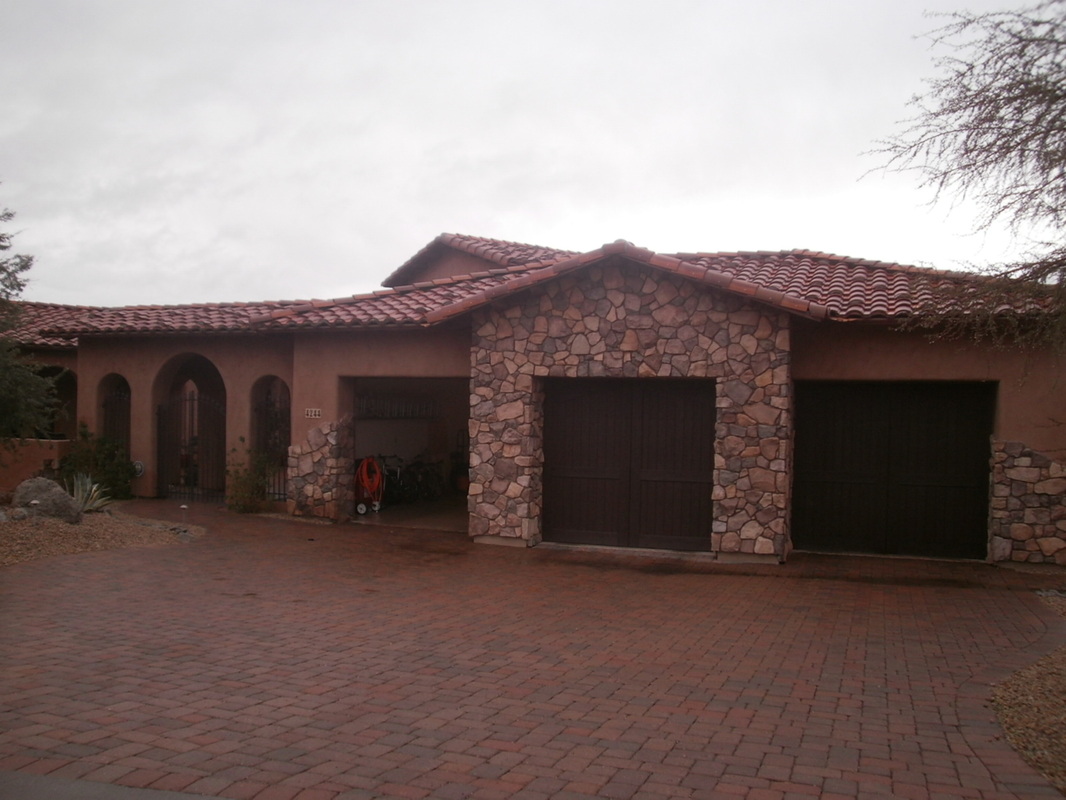
Don't See Your Home? Find Your City Below!Archives
April 2024
Copyright Notice©2009 – 2023
All Rights Reserved |